
Posted On 28 Aug 2026
A remote access software review should not begin with a list of brand names. It should begin with a practical question: who will be able to see and control your computer, and what protections are in place while they do? For a homeowner dealing with a slow PC, an email problem, or a printer that stopped working, remote support can save a trip to the repair shop. For a small business, it can reduce downtime when an employee needs help quickly.
The right remote access tool makes support convenient without asking you to sacrifice privacy or security. The wrong setup can create confusion, leave a computer exposed, or give someone more access than they need. Here is what to look for before you allow anyone to connect.
What Remote Access Software Actually Does
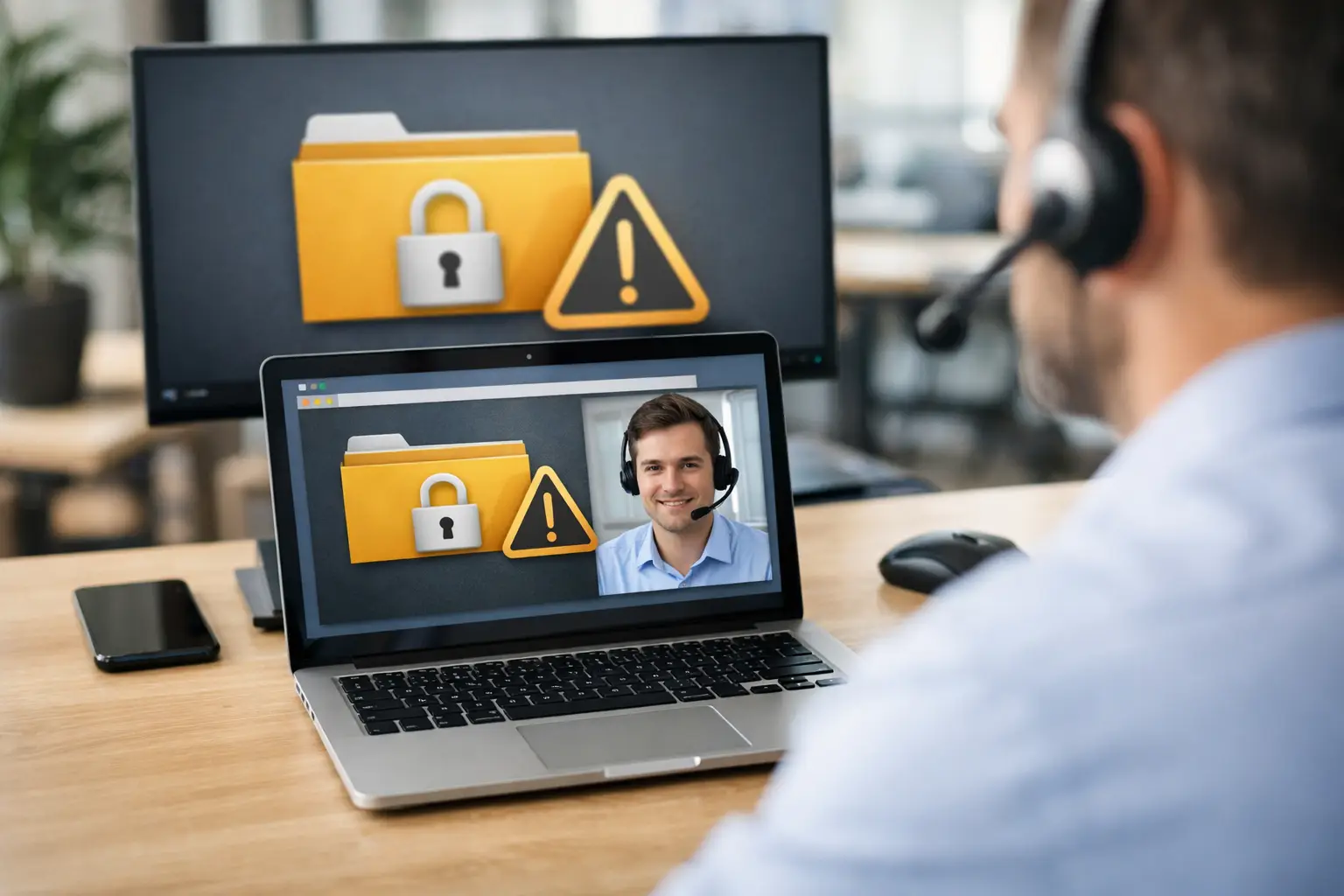
Remote access software allows a technician to view your computer screen and, with your permission, use the keyboard and mouse from another location. This lets them troubleshoot many common issues without being physically in front of the computer. They may be able to remove unwanted programs, adjust settings, resolve Windows errors, set up email, diagnose performance problems, or help with software updates.
There are two common approaches. Attended remote support requires you to be at the computer to approve the connection. This is usually best for one-time repair visits and for customers who want to watch the work being performed. Unattended access allows a trusted IT provider to connect later without someone at the keyboard, typically using a protected account and additional security controls. This can be useful for a small business that needs after-hours maintenance or for a home office computer that must stay available.
Neither approach is automatically better. Attended support provides more direct customer control. Unattended access can be more convenient, but it calls for stronger safeguards and a clear agreement about when access is allowed.
Remote Access Software Review: The Features That Matter
A good remote access platform is not defined by flashy features. It should be dependable, easy to use, and designed to protect the person receiving support. The basics matter more than a long feature list.
Clear permission before a session begins
For standard remote support, you should see a clear request to approve the connection. The screen should show that a session is active, and you should be able to end it at any time. A trustworthy technician will explain what they need to do before taking control and will not pressure you to grant access unexpectedly.
Be cautious of unsolicited calls, pop-up warnings, or messages claiming your computer has a serious problem and demanding immediate remote access. Legitimate technicians do not need to frighten customers into making a decision. If you did not request help, do not allow a connection.
Strong security for the connection
Remote access involves sensitive information. Your computer may contain saved passwords, tax documents, family photos, customer records, or business email. The software should use encrypted connections so information is protected while it travels between your computer and the technician.
For ongoing access, look for multi-factor authentication, unique user accounts, and activity records. These controls help prevent unauthorized logins and make it possible to see when a connection occurred. Small businesses should also ask whether access can be limited by employee role, time of day, or specific computers.
A secure tool is only one part of the picture. The provider using it matters just as much. A reputable local IT company should have clear procedures for verifying customers, securing credentials, and removing access when it is no longer needed.
Easy session controls
The best support experience is one you can understand. You should be able to see when a technician is connected and disconnect them without searching through confusing menus. If file transfer, printing, clipboard sharing, or screen recording is available, those features should be used only when necessary and explained in plain language.
For many residential repairs, the ability to temporarily disable remote control or pause a session is reassuring. It gives you a simple way to protect private information if you need to sign in to an account or review a sensitive document.
Reliable performance on everyday connections
Remote support depends on a stable internet connection, but it does not require perfect conditions for every task. A well-designed platform should remain usable on typical home or office internet service, especially for basic troubleshooting and settings changes.
Still, speed has limits. If a computer is severely infected, constantly crashing, unable to start Windows, or disconnected from the internet, remote support may not be possible. Large data recovery jobs, physical hard drive failures, damaged screens, and hardware upgrades also require in-shop or on-site service. Honest advice means recognizing when a remote session is the fastest answer and when it is not.
Secure file handling
Sometimes a technician needs a diagnostic report, installer file, or backup document. That does not mean every remote tool should have unrestricted file transfer. A careful provider uses file sharing only when it serves the repair and avoids moving personal files unless it is necessary and approved.
Businesses should be especially thoughtful here. Customer data, medical information, legal documents, and financial records may be subject to privacy rules. Ask how files are transferred, whether they are stored anywhere after the session, and who has permission to access them.
What Homeowners Should Ask Before Granting Access
You do not need to become a technology expert to make a safe choice. A few direct questions can tell you a great deal about the support experience. Ask whether you must approve each connection, whether you can watch the session, and how the technician verifies your identity before connecting.
Also ask what happens after the repair. Will the remote access program be removed? Will the technician retain unattended access? If ongoing access is recommended, why is it needed, how is it protected, and how can you revoke it? Clear answers are a sign of a provider that respects your privacy.
For seniors and first-time computer users, a patient explanation is especially valuable. Remote support should make technology less stressful, not make you feel rushed or embarrassed for asking questions.
What Small Businesses Need Beyond Basic Remote Support
A small business often needs more than occasional screen sharing. Employees may work from different offices, use cloud services, rely on shared printers, or need quick help during business hours. In that setting, remote access should fit within a broader IT plan that includes backup, endpoint protection, account security, and documented procedures.
The key trade-off is convenience versus control. Giving an IT provider unattended access can allow faster response and proactive maintenance. It can also create unnecessary risk if access is not limited, reviewed, and protected with multi-factor authentication. The right arrangement depends on the size of the business, the sensitivity of its data, and how quickly employees need help.
Business owners should ask whether support sessions are logged, whether separate technician accounts are used, and whether former employees or outside vendors can be removed promptly. They should also understand who is responsible for monitoring alerts and responding to a security issue after hours.
When Remote Support Is the Best Choice
Remote access is particularly useful when the computer turns on, connects to the internet, and has a problem that can be diagnosed through the screen. It is often a practical option for software errors, Windows updates, email configuration, browser problems, performance checks, printer settings, and general computer tune-ups.
It can also be helpful after a new computer is set up, when someone needs assistance moving files, configuring programs, or learning where important settings are located. Instead of trying to explain every click over the phone, a technician can guide the process while you follow along.
However, remote service should not be presented as a cure for every problem. If your computer will not power on, has liquid damage, makes unusual clicking sounds, has a broken display, or needs a replacement component, hands-on service is the safer route. A good technician will recommend the method that solves the problem efficiently, not simply the method that is easiest to schedule.
A Better Standard for Remote Help
The best remote access software is the one that supports a trustworthy repair process: clear consent, protected connections, limited access, understandable controls, and a technician who communicates before making changes. The software matters, but the people and procedures behind it matter more.
For residents and small businesses in Central Florida, Computer Tech Pro can help determine whether remote support is appropriate for the issue or whether in-shop or on-site service will get you back up and running faster. Before approving any remote connection, take a moment to confirm who is helping, what access they need, and how you can end the session. That small pause is one of the simplest ways to protect your computer and your peace of mind.


